Norfolk is a county that rewards the unhurried. Tucked into England's eastern shoulder, it unfolds in vast skies, reed-fringed waterways, and a coastline so quietly spectacular that those who discover it tend to guard the secret jealously. From the medieval lanes of Norwich to the haunting beauty of the Broads, from grey seal pups at Blakeney Point to the royal parkland of Sandringham, this is a place where the landscape does the talking — and it speaks in the most extraordinary tones.
Here is your guide to the very best things to do in Norfolk, with practical details to help you plan every step.
Explore the Norfolk Broads by Boat
The Broads are Norfolk's great gift to anyone who has ever wanted to slow down. This network of navigable rivers and shallow lakes — technically not natural but formed by medieval peat digging — covers over 300 square kilometres and has been officially known as the Broads National Park since 2015.
The best way to experience the Broads is from the water. Day-boat hire is available from several centres, with Wroxham often called the "Capital of the Broads." Herbert Woods in Potter Heigham and Barnes Brinkcraft in Wroxham both offer day boats from around £40–£80 for a half day, depending on the season and vessel size. No licence or experience is needed for most day boats, though a short briefing is provided before you set off.
Glide past windmills, spot kingfishers darting along the banks, and moor up at a riverside pub for lunch. The stretch between Wroxham and Horning is particularly beautiful, winding through alder carr woodland where marsh harriers circle overhead. For something more adventurous, the River Ant towards How Hill offers some of the most tranquil and wildlife-rich stretches in the entire system.
How Hill, a stunning Edwardian house set above the River Ant, is home to the Toad Hole Cottage Museum — a tiny marshman's dwelling that brings to life the traditional way of living on the Broads. Guided boat trips in the electric vessel "Electric Eel" run from spring through autumn and cost around £6 for adults.
Best time to visit: Late spring through early autumn for boating. Winter brings dramatic skies and excellent birdwatching.
Walk the North Norfolk Coast
The North Norfolk coast is one of the finest stretches of coastline in Britain. The Norfolk Coast Path runs for 83 miles from Hunstanton to Hopton-on-Sea, but the section between Holkham and Cley-next-the-Sea is the undisputed highlight.
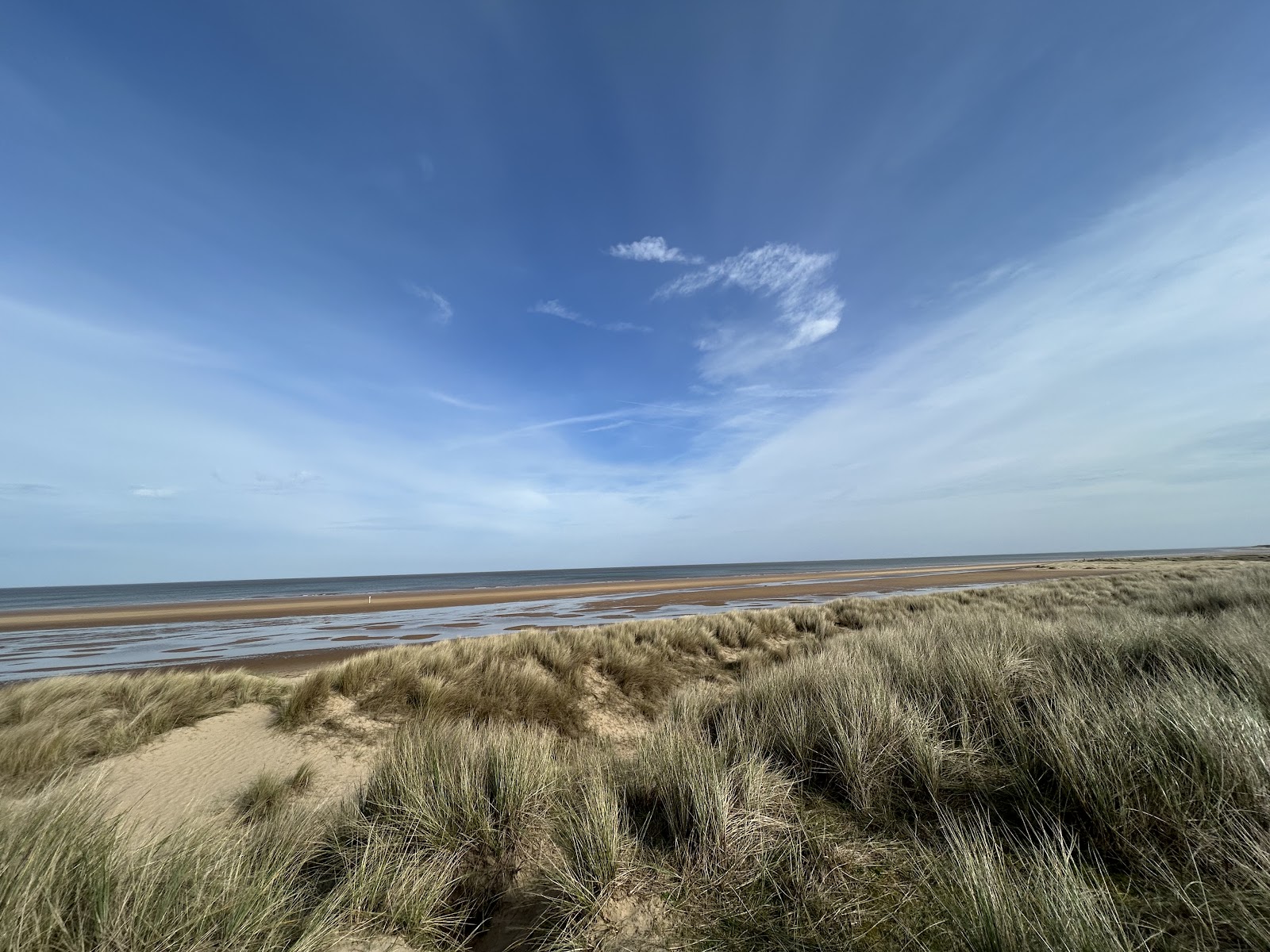
Begin at Holkham Beach, regularly voted one of England's best beaches. The approach through the pine woods is unforgettable — you walk through a canopy of Corsican pines before emerging onto an immense sweep of sand that seems to stretch to infinity. At low tide the beach extends hundreds of metres, and even in high summer you can find solitude here. Parking at the main Holkham car park costs around £4 for two hours or £13.50 for the day.
From Holkham, the coast path heads east through Wells-next-the-Sea, a handsome little port town with colourful beach huts, excellent fish and chips at French's (on The Quay), and a miniature railway that runs to the beach. Continue along to Stiffkey, famous for its "Stewkey Blues" cockles, and on to Morston and Blakeney.
The village of Cley-next-the-Sea is a birdwatcher's paradise. Cley Marshes, managed by Norfolk Wildlife Trust, was Britain's first county wildlife trust reserve, established in 1926. Access to the hides and reserve trails costs around £6 for non-members (the visitor centre itself is free), and the hides overlooking the reed beds and scrapes are excellent for spotting avocets, bitterns, and bearded tits.
Practical tip: The Coasthopper bus service runs along the coast between Hunstanton and Cromer, making linear walks easy without needing two cars.
See the Grey Seals at Blakeney Point
One of Norfolk's most unforgettable experiences is a boat trip to Blakeney Point to see the grey seal colony. This shingle spit, managed by the National Trust, is home to one of the largest grey seal colonies in England, with over 4,000 pups born each winter.
Several operators run trips from Morston Quay, including Beans Boats and Bishop's Boats. A typical trip lasts around an hour and costs around £20–£25 for adults and £10 for children. Between November and January, you will see hundreds of fluffy white seal pups sprawled across the shingle — an utterly captivating sight. In summer, common seals haul out on the sandbanks, and the tern colonies are in full breeding swing.
The boats also pass through Blakeney Harbour, where oystercatchers and curlews pick along the mudflats. Book in advance during the pupping season, as trips fill up quickly.
Best time to visit: November to January for grey seal pups. June to August for common seals and breeding terns.
Discover Medieval Norwich
Norwich was once the second city of England, and its medieval heart remains remarkably intact. The city boasts more medieval churches than any other city north of the Alps — over thirty still stand — and its tangle of lanes and alleys rewards aimless exploration.
Start at Norwich Cathedral, whose soaring Norman nave and exquisite cloisters are among the finest in Europe. The cathedral's spire, at 96 metres, is the second tallest in England. Entry is free, though donations of £5 are encouraged. Look up in the cloisters to find over 1,000 carved roof bosses depicting biblical scenes — one of the greatest collections of medieval sculpture in existence.
From the cathedral, walk through Tombland (the old Saxon marketplace, despite the name) and up to Norwich Castle, a commanding Norman keep that now houses an excellent museum and art gallery. The castle underwent a major renovation and reopened with dramatically improved galleries exploring Norfolk's history from the Ice Age to the present. Adult admission is around £8 (book online for a small discount).
For shopping and atmosphere, head to Norwich Market, one of the largest and longest-running open-air markets in England, with around 190 stalls. It has operated on the same site since Norman times. Try a Norwich-made Colman's mustard at the Mustard Shop on the Royal Arcade, or browse the independent shops along the medieval Norwich Lanes.
In the evening, the city's food scene punches well above its weight. Benedicts, on St Benedicts Street, is recognised in the Michelin Guide, holds 3 AA Rosettes, and serves a superb tasting menu that showcases Norfolk produce. Booking well in advance is essential.
Practical tip: Norwich is compact and best explored on foot. Park at one of the park-and-ride sites on the city outskirts to avoid navigating the one-way system.
Visit Sandringham Estate
The Royal Family's Norfolk retreat is set in 24 hectares of stunning gardens and 240 hectares of country park. Sandringham House has been the private home of five generations of monarchs since 1862, and parts of it are open to the public when the Royal Family is not in residence.
The house tour reveals surprisingly intimate rooms — the saloon where Christmas broadcasts are filmed, the ballroom, and corridors lined with family photographs spanning over a century. The gardens are magnificent, particularly in spring when the rhododendrons and azaleas blaze with colour.
The Sandringham Museum houses collections of royal vehicles, vintage cars, and personal memorabilia. The wider country park is free to enter year-round and offers excellent walking trails through ancient woodland where red squirrels were once reintroduced.
Admission to the house and gardens costs around £26 for adults (book online for the best price). The estate typically opens from April to October, but check the website for exact dates as closures for royal visits do occur.
Best time to visit: Late April to June for the gardens in bloom. The Christmas opening in November and December, when the house is decorated for the festive season, is particularly magical.
Wander Through Holkham Hall and Estate
Holkham Hall is one of the great Palladian mansions of England, and its setting — surrounded by a vast deer park with the North Sea just beyond — is nothing short of extraordinary. Built in the 1730s for Thomas Coke, 1st Earl of Leicester, the house contains the magnificent Marble Hall, an entrance space modelled on a Roman temple that takes the breath away.
The estate encompasses the hall, the Walled Garden and Holkham Stories experience, and the walled garden. A combined ticket costs around £20 for adults. The deer park is free to walk through, and spotting the herds of fallow deer against the backdrop of the hall is one of Norfolk's great pleasures.
Holkham also runs a excellent programme of events throughout the year, from outdoor cinema screenings in summer to Christmas markets in winter.
Browse the Market Towns
Norfolk's market towns are a joy. Each has its own distinct character, and a tour of several makes for a perfect day out.
Holt is arguably the most attractive, with its Georgian streets lined with independent shops, galleries, and excellent cafes. Byfords, on Shirehall Plain, is a beloved all-day cafe and deli that serves outstanding brunch. The town was rebuilt after a devastating fire in 1708, which accounts for its unusually harmonious architecture.
Burnham Market is sometimes called "Chelsea-on-Sea" for its upmarket shops and restaurants, though the gentle ribbing masks a genuinely lovely village green surrounded by flint cottages. The Hoste Arms is a fine place for a leisurely lunch.
Aylsham, set on the River Bure, is less polished but wonderfully authentic. Its market dates back to a charter granted by Henry VIII in 1519, and today runs on Mondays and Fridays, and the town is the starting point for the Bure Valley Railway, a narrow-gauge steam railway that runs 9 miles to Wroxham through beautiful countryside. Return tickets cost from around £14.50 for adults.
Swaffham boasts an elegant Georgian marketplace and is the gateway to the Breckland heaths. The town's Saturday market is one of the best in the county.
Experience World-Class Birdwatching
Norfolk is, without question, the birdwatching capital of Britain. The county's position on the east coast makes it a crucial stopping point for migrating birds, and its mosaic of habitats — coast, marsh, heath, fen, and woodland — supports an extraordinary diversity of species.
Beyond Cley Marshes, the RSPB reserves at Titchwell Marsh and Strumpshaw Fen are outstanding. Titchwell, on the coast between Hunstanton and Brancaster, offers easy walking on boardwalks through freshwater and saltwater marshes where you might see marsh harriers, avocets, bearded tits, and — in winter — vast flocks of pink-footed geese that darken the sky. Parking costs £5 for non-RSPB members, plus a reserve entry fee of £7 for adults.
Strumpshaw Fen, in the Broads near Brundall, is the place to see (or more likely hear) the booming bittern in spring. Swallowtail butterflies, found nowhere else in Britain, fly here in June.
For something truly special, visit the NWT reserves at Hickling Broad for an evening boat trip to see cranes, barn owls, and — if fortune favours you — the extraordinary spectacle of starling murmurations in winter.
Quick Tips for Visiting Norfolk
- Getting there: Norwich is around two hours by train from London Liverpool Street. By car, the A11 and A47 are the main routes in.
- Getting around: A car is essential for exploring the coast and countryside, though the Coasthopper bus is excellent for the North Norfolk coast.
- Where to stay: The North Norfolk coast (Blakeney, Cley, Wells) is the most popular base. Norwich offers the best range of hotels and restaurants. For the Broads, Wroxham or Horning put you right on the water.
- Best time to visit: Norfolk is glorious year-round. Summer brings long days and warm beaches; autumn delivers spectacular bird migration; winter offers seal pups and vast empty skies; spring sees the countryside burst with wildflowers and birdsong.
- Budget tip: Many of Norfolk's best experiences — walking the coast path, exploring Norwich's lanes, watching the sunset at Holkham — are completely free.
- Don't miss: A portion of Cromer crab, caught fresh from the North Sea. Available at fishmongers and restaurants across the coast, it is sweet, delicate, and utterly delicious.